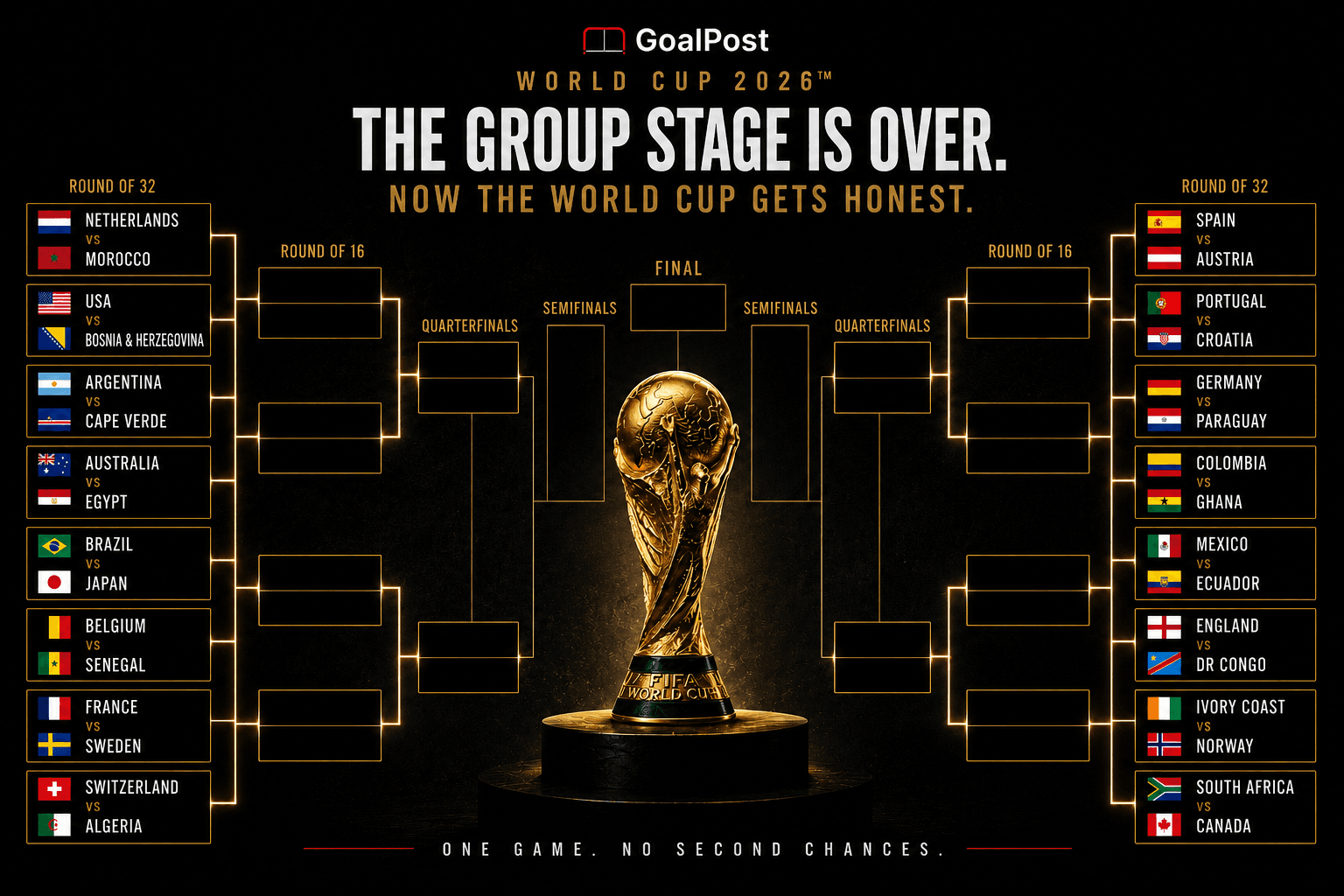
The group stage of the first 48-team World Cup is over, and it leaves behind a tournament that does not look the way anyone drew it up.
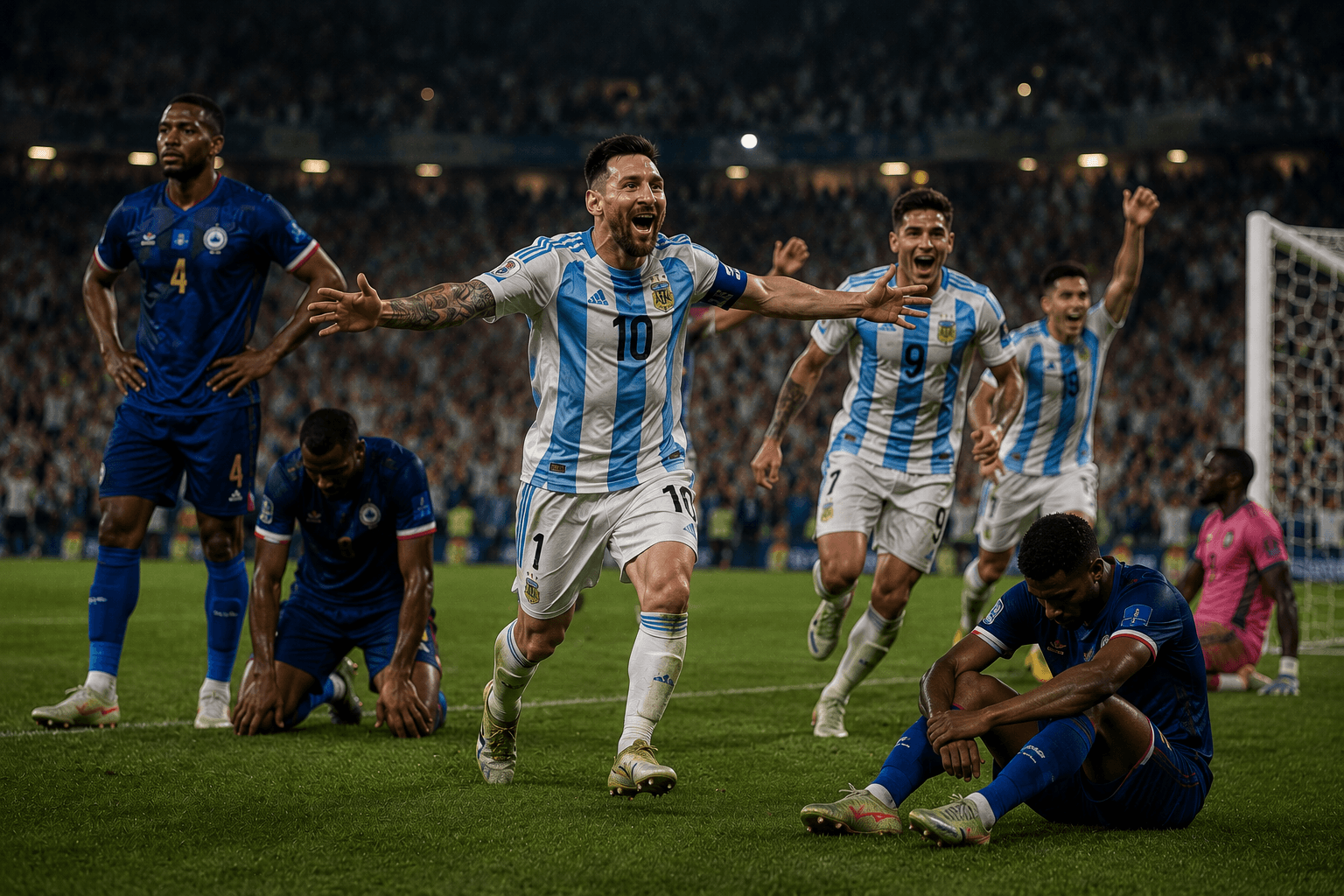
Cape Verde — a nation of just over 500,000 people, ranked 67th in the world, playing in the first World Cup in their history — went through the group stage unbeaten and reached the Round of 32. They are the smallest country by population ever to reach the knockout stage of a men's World Cup. Their reward is Lionel Messi and Argentina, in Miami, on July 3. That sentence would have been a joke eighteen months ago. It is now a fixture.
Three weeks of football have made the case, result by result, that the distance between the elite and everyone else is not what it used to be. The expanded format was supposed to dilute the tournament with mismatches. Instead it produced the most competitive group stage in living memory — a four-draw day, the most in a single day of men's World Cup football since 1958; a goalless afternoon in which Spain took twenty-seven shots against Cape Verde and could not score; Australia beating a fancied Turkey side with a quarter of the ball. The smaller nations did not arrive to be dispatched. They arrived to compete, and a remarkable number of them did.
But the group stage and the knockout stage are different competitions wearing the same name. And what happens next will tell us something the first three weeks could not.
What the group stage proved
The headline numbers are the loud part. The tournament raced past a hundred goals early; by the 45-match mark it had produced more goals than any group stage in World Cup history, beating the previous mark with games to spare. The raw total will obliterate records, because there are simply more matches than ever before. The per-game rate is healthy rather than historic — this is not the highest-scoring World Cup by the measure that strips out the extra fixtures — but the football has been open, end to end, and refreshingly unwilling to settle for caution.
The quieter part is the competitive balance. Twelve groups, and almost all of them went to the final day with something still alive. The eight-best-third-place format kept teams breathing who in a sixteen-team era would have been packing on the second matchday, and the result was three weeks in which the disciplined draw and the smash-and-grab counter were as valuable as the cavalier attack. The smaller nations learned they could live with the giants. Cape Verde is the emblem, but it is not alone: Ecuador beat Germany, Australia beat Turkey, Curaçao took a point off a continental power and very nearly two.
There is a reason this happened, and it is not the format. The format is the opportunity. The cause is that the players turning out for the so-called minnows are not strangers to this level — they spend their club seasons facing the same opposition they are now frightening on the international stage. You cannot intimidate a footballer who marks these men every weekend. That is the deeper shift the group stage exposed, and it will not reverse.
What the knockouts will test
Here is the complication, and it is a real one. The group stage rewards the side that does not lose. A point has value; a goalless draw can feel like a triumph; survival is its own form of success. The knockout stage offers none of that. Someone has to win the match. And when a smaller side is forced to chase a game — to come out of the low block, to commit bodies forward, to take the risks that a draw never required — the gap that the group stage narrowed has a way of reappearing.
This is the historical pattern, and it is worth being honest about it. The expanded format has given us a glorious three weeks precisely because the structure rewarded resilience. Single-elimination rewards something else: ruthlessness, squad depth, the ability to win a match you are not winning. Those are the things the favorites have in surplus and the underdogs, for all their fearlessness, mostly do not. France did not look like a team about to be surprised by anyone; they took all nine group-stage points with a plus-eight goal difference and a forward line that scored almost at will. The giants tend to reassert themselves when the format stops forgiving mistakes. They probably will again.
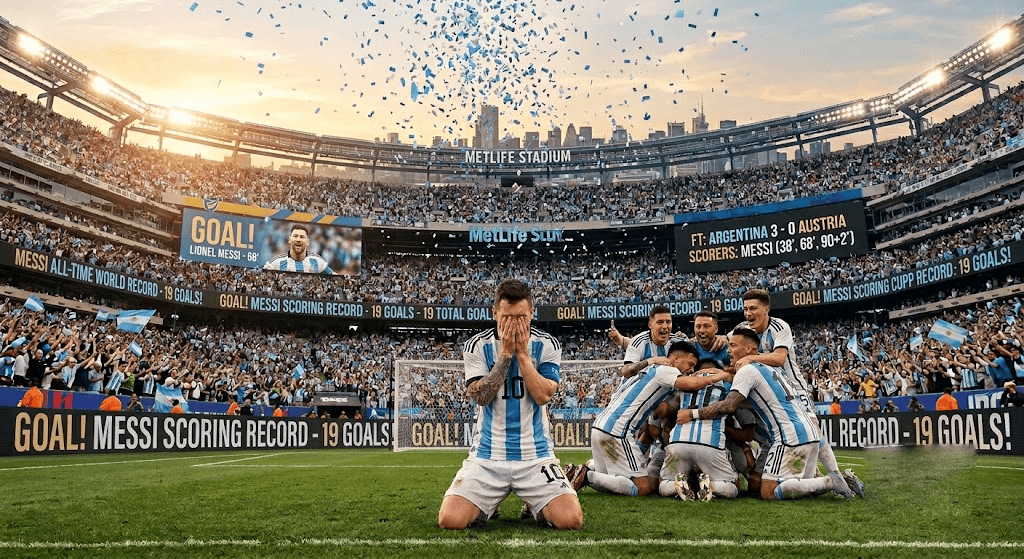
So the question the knockouts pose is the only one that matters now: is the closed gap actually closed, or was it a feature of a format that flattered the brave? Cape Verde against Argentina, in Miami, is the test case made flesh. The smallest nation ever to reach this stage, against the defending champions and the World Cup's all-time leading scorer. The group stage says Cape Verde belong. The knockout stage will ask them to prove it against a team built to end exactly this kind of story.
The ties to watch
The knockouts begin June 28. The giants and the fearless meet head-on.
The Round of 32 — the new round, the one that exists only because the tournament expanded — begins on June 28. A few fixtures stand out.
Argentina vs Cape Verde is the one everyone will watch, and not only for the romance. Argentina are unbeaten in eight World Cup matches since the Saudi Arabia defeat that opened Qatar 2022, and look, if anything, more settled than the side that won it. Cape Verde have nothing to lose and a goalkeeper who has already frustrated Spain. The likeliest outcome is comfortable. The possible outcome is the story of the tournament.
Brazil vs Japan is the tie that should frighten the favorites. Japan have spent two World Cups now refusing to lose to elite opposition, and they did it again here, drawing the Netherlands before thrashing Tunisia 4-0. Brazil have been a work in progress — bailed out more than once, still searching for the version of themselves everyone expects. If Japan are ever going to convert their reputation as giant-killers into something larger, this is the kind of match where it starts.
Netherlands vs Morocco is a rematch of the kind of fixture that defined 2022 — Morocco, the semifinalists who proved Africa's best can beat Europe's best, against a Dutch side with its own quiet ambitions. Morocco did not come to North America to be a nice story. They came to do it again.
France vs Sweden looks, on paper, like a procession. France are the favorites and have played like it. But Sweden put five past Tunisia, and on their day they carry the kind of direct threat that can unsettle even a side this good. France will be expected to win comfortably. Tournaments are decided by how the favorites handle the matches they are expected to win comfortably.
And Norway vs Ivory Coast pairs Erling Haaland — held back, with Ødegaard, for a group finale Norway chose not to contest once their place was secure — against the African side that ground its way to second. Haaland has waited his whole career for a World Cup knockout match. It would be unwise to keep him waiting much longer.
Mexico vs Ecuador is the tie that tests the thesis most directly. Ecuador are the side that beat Germany in the group stage — the clearest single piece of evidence that the gap has closed — and they now face a co-host that won its group with a perfect nine points, at the Azteca, in front of its own. If the giants reassert themselves in the knockouts, Mexico win this comfortably. If they do not, it is because teams like Ecuador have stopped reading the script.
The honest part
The romance of the group stage was real, and it deserves to be remembered as more than a prelude. For three weeks the World Cup belonged to everyone — to Cape Verde's unbeaten run, to Australia's defiance, to the small nations who arrived and refused to be afraid.
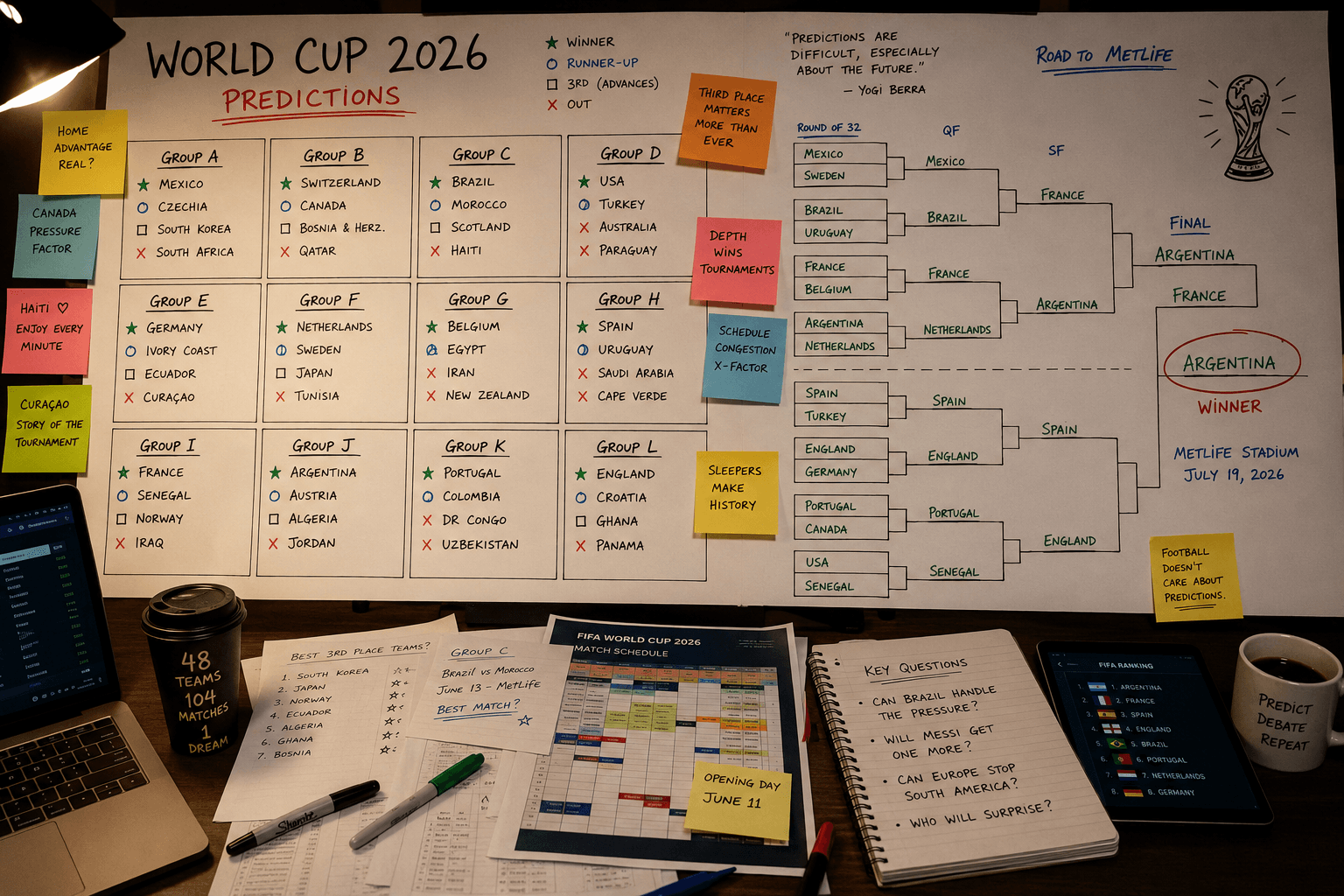
But the knockouts are a colder competition, and they tend to reward the things the giants have always had. The favorites usually find their level when the margin for error disappears. Perhaps they will again, and the draw will harden into the shape everyone expected, France and Argentina and Spain advancing as the bracket always seemed to suggest they would.
Or perhaps the gap really has closed, and one of these fearless smaller sides walks into a knockout match against a giant and does not blink. We are about to find out which. That is the whole point of what comes next.