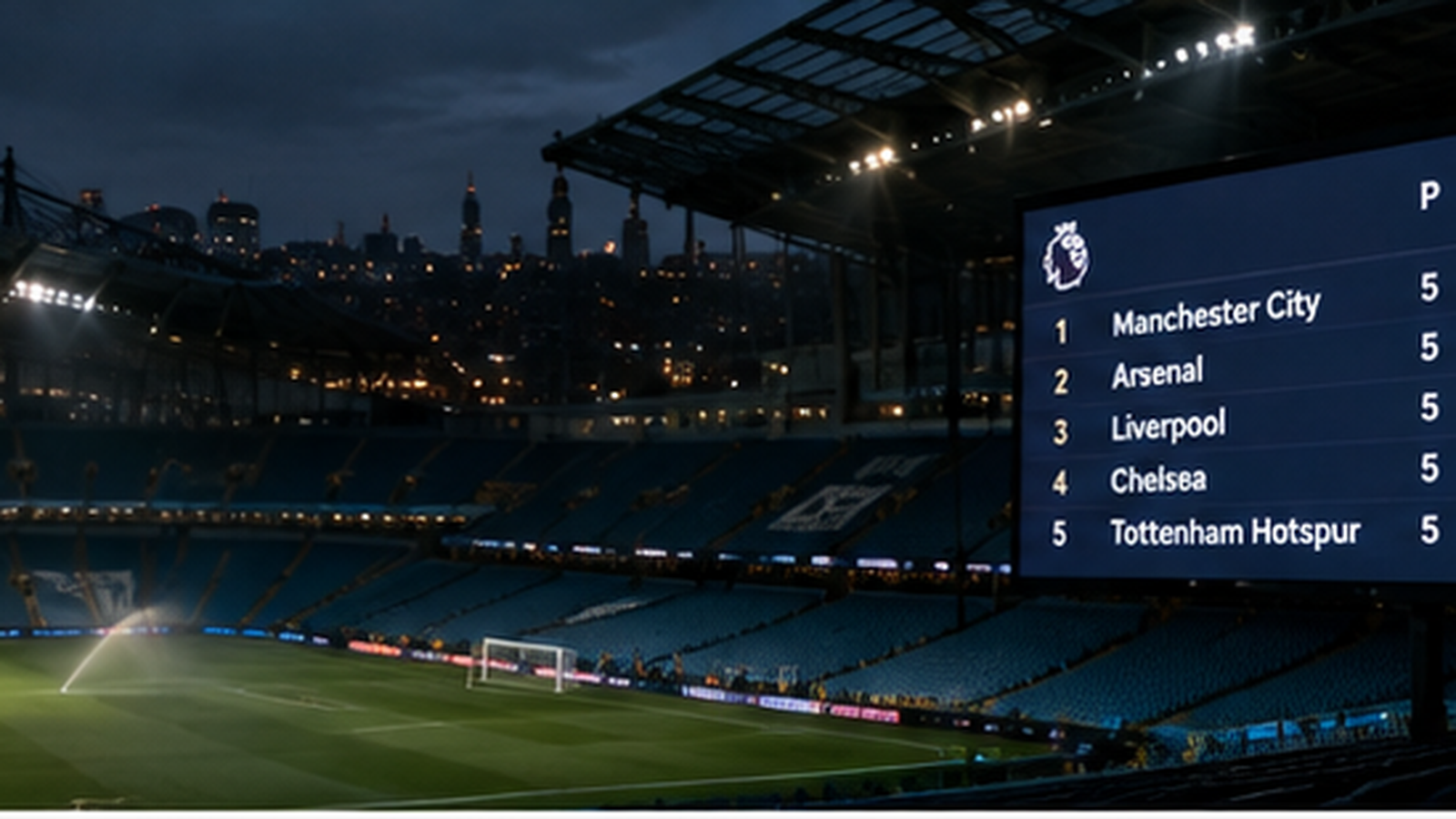
Supporters have a word for the international break, and it is not affectionate. The interlull is the stretch of the calendar when the club season stops, the national teams play matches that many fans regard as an obligation, and the conversation drifts toward injury news and transfer rumors. This autumn it was longer than ever. Under FIFA's new international calendar, the September and October windows have been merged into a single block running from September 21 to October 6. The Premier League stopped after five matchweeks and will not resume until the second weekend of October.
When the music stopped, Manchester City were top. Enzo Maresca, in his first season as Pep Guardiola's successor, had won all five league matches after a record summer spend of £458 million. Arsenal, the champions, were three points behind after losing 3-0 at Brighton on the last weekend before the break. It had the makings of a title race, and three weeks with nothing to do but wait for it.
No sooner had the league gone quiet than a story that could outlast the season broke into the silence.
What was reported
On September 25, David Ornstein of The Athletic reported that the independent commission hearing the Premier League's case against the club had found City guilty on 114 of the 115 charges. The Premier League has declined to comment, citing the confidentiality of the process, and the decision has not been published. No sanction has been decided. City are expected to appeal.
The charges were brought in February 2023. The core financial allegations concern the nine seasons from 2009-10 to 2017-18: the accuracy of the financial information City supplied to the league, how players and managers were paid, and breaches of the league's profit and sustainability rules and of UEFA's financial fair play regulations. The remaining 35 allege that City failed to cooperate with the investigation that followed, and extend beyond that period. The hearing ran from September 16 to December 6, 2024. The commission then took more than a year and a half to reach its conclusions.
The league's rules give the commission wide discretion over punishment. The options most often cited run from fines and points deductions to transfer restrictions and, in principle, expulsion from the competition. Which of those, if any, will apply is not known, and GoalPost will not pretend otherwise.
City's position
City have denied wrongdoing from the start. When the charges were announced in 2023, the club said it welcomed an independent commission that would "impartially consider the comprehensive body of irrefutable evidence that exists in support of its position." The day after Ornstein's report, the chairman, Khaldoon Al Mubarak, wrote an open letter to supporters. "The Premier League process still has a long way to run," he wrote, "and our confidence and intent in proving the Club's innocence is just as strong as when this began." Elsewhere in the letter he wrote that "nothing has changed" and that "we have faced challenges together before and have prevailed."
That last line invites a comparison with 2020, when UEFA banned City from the Champions League for two seasons over alleged breaches of its financial rules. The Court of Arbitration for Sport overturned the ban, finding that most of the alleged breaches were either not established or time-barred, though it upheld a fine, reduced from €30 million to €10 million, for failing to cooperate with UEFA's investigators. That was a different case, brought under different rules before a different tribunal, and it forecasts nothing about this one. What it does explain is why City will not treat the first word as the last.
The consequences reach beyond the Etihad. In 2024, Arsenal, Liverpool, Manchester United and Tottenham Hotspur were reported to have taken formal steps to preserve potential compensation claims against City if the charges were upheld. All four finished behind City in seasons now under scrutiny.
GoalPost's view
What follows is opinion, and it is ours. Scale changes the argument. For three and a half years, a reasonable person could believe that a case with 115 charges was built on quantity rather than substance, that a handful of disputed accounting entries had been itemized into a headline number. If the reported findings are confirmed, that reading becomes much harder to sustain; a finding on 114 counts is difficult to dismiss as a technicality. What those findings actually establish is another matter. The decision is unpublished, nobody outside the process can yet see which charges were upheld or on what reasoning, and 35 of the original charges concerned cooperation with the investigation rather than the accounts themselves. Judgment on what City did should wait for the reasons. Judgment on what the process now owes everyone else does not have to.
That puts the pressure on the disciplinary process. The Premier League brought this case because it believed its rules had to bind every member, including the richest, and a finding on this scale, if it stands, would vindicate the decision to bring it. The league does not choose the penalty, though. Sanctions are for the independent commission, and whatever it decides has to be proportionate, defensible and timely. That is the part that will show whether the rules mean anything.
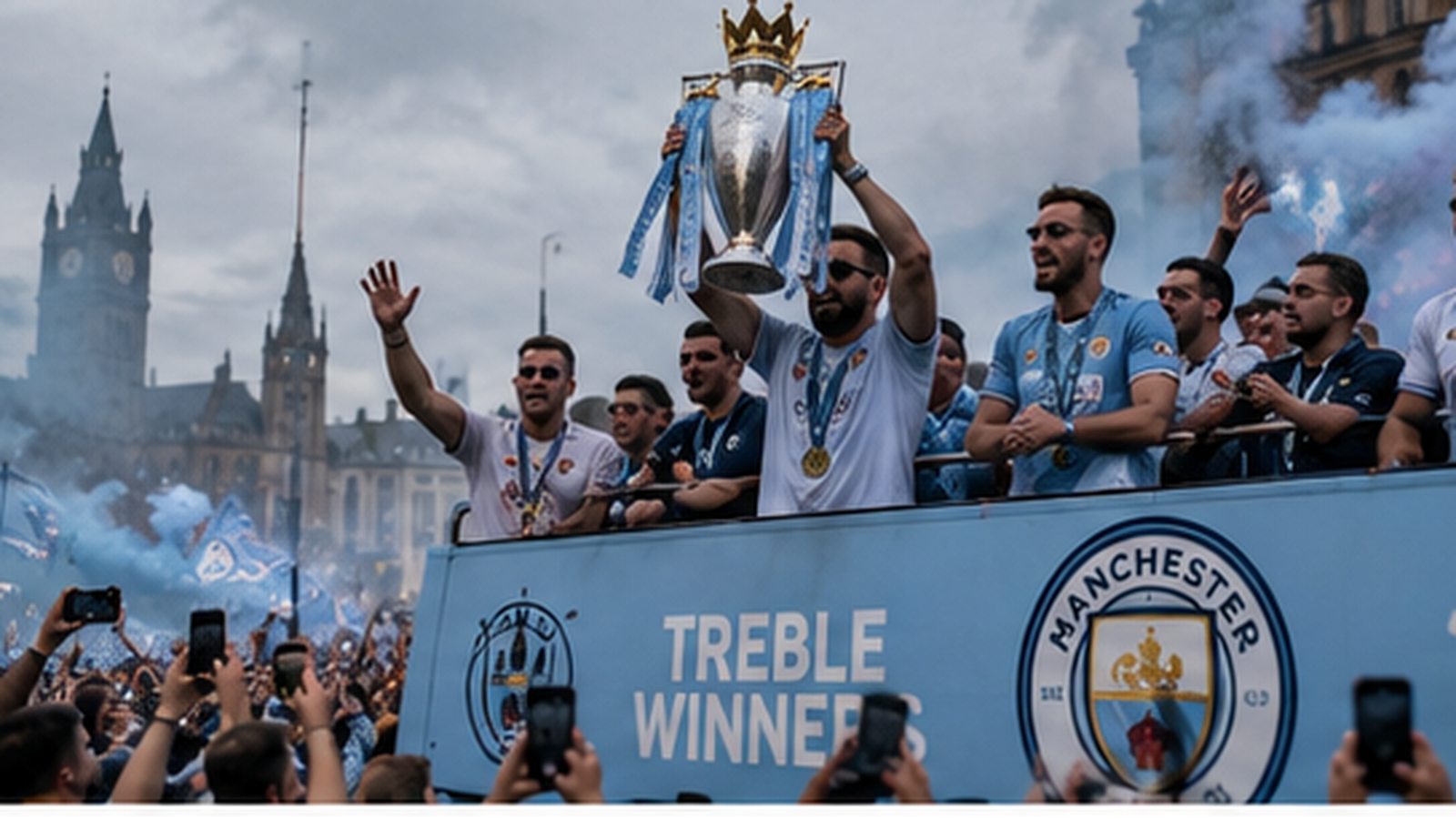
Here the difficulties are real, and they cut in more than one direction. A fine, even a record fine, has to be measured against a club that spent £458 million in a single summer. At that scale a financial penalty risks looking less like a deterrent than an operating cost. A points deduction applied this season would land on Maresca's squad, most of whom were nowhere near the club between 2009 and 2018. That is a fair objection, and one City's supporters will make loudly. Stripping titles, even if it were available, would rewrite the record books without undoing a single match. The trophies were lifted, the parades happened, the players were paid.
Expulsion, the most severe option, would be unprecedented, and any attempt to impose it would be litigated for years. Even the harshest sanction on the list may prove hard to enforce in any way that restores what the other clubs say they lost.
None of that is an argument for leniency. It is an argument for proportion and, above all, for speed. Football keeps time in matches and seasons; disciplinary cases keep it in hearings, written reasons and appeals, and the two clocks have never run at the same pace. The charges were laid in February 2023. The hearing ended in December 2024. Nobody can say with confidence when the appeal will be heard, how long it will take, or when a sanction will finally be imposed, and every month of delay weakens whatever that sanction turns out to be. Nor is the cost of delay merely reputational: four clubs have already preserved claims that depend on the eventual findings. A penalty imposed a decade after the seasons it punishes cannot give those seasons back to anyone. Until the process ends, City's era remains contested, and a contested era is a poor advertisement for a league that sells itself on the integrity of its competition.
City are entitled to their appeal, and 2020 gives them every reason to pursue it. But if the reported findings stand, the Premier League has won the first round, and the process it started owes the other nineteen clubs a conclusion.
The football, meanwhile
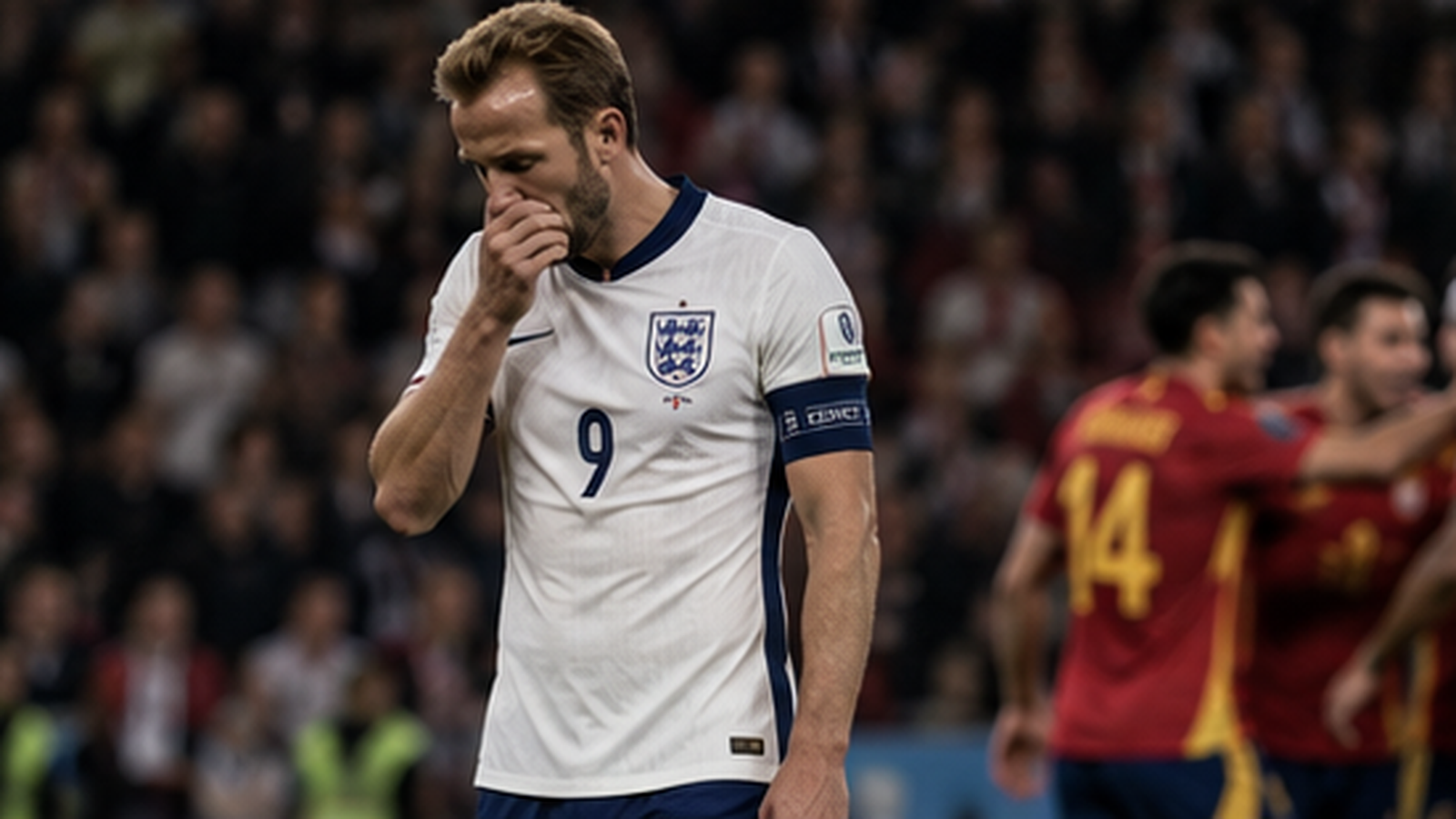
The break did produce one match that felt as though it counted. Spain beat England 3-2 at Wembley on September 26 after Harry Kane, with England 2-1 ahead, slipped as he took a penalty and struck the crossbar. Spain scored twice afterward and extended their unbeaten run to 39 matches. City players featured on both sides, and Thomas Tuchel declined to be drawn on the case.
A match that turned on one slip was settled inside ninety minutes, and everyone left Wembley knowing the result. City's case has been running for three and a half years and still has no result anyone can call final.
When the league returns
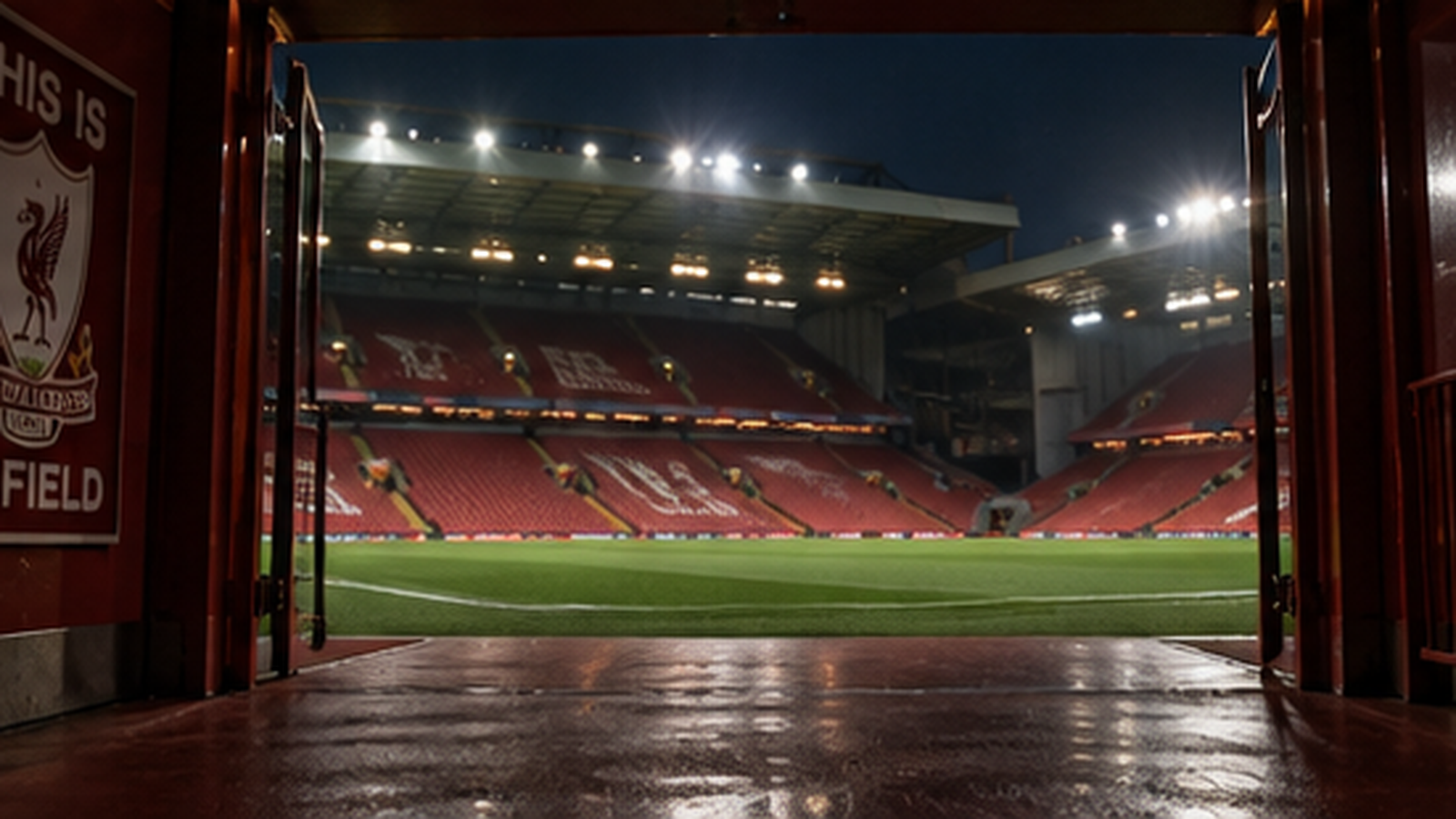
When the league resumes on the second weekend of October, City's first match is at Anfield, one of the fixtures Al Mubarak's letter pointed supporters toward. They will arrive top of the table, unbeaten, and three points clear of the champions. Every point they collect from here will be recorded in a table that may yet be revised by a sanction nobody has set, for seasons that ended years ago. The table will start moving again in October, but the question hanging over it will not.
Related reading: Curtain Raiser — on Maresca's first trophy and City's summer of spending, and 8,060 Days — on Arsenal's title win now under the same shadow.