The last time an Englishman won the Ballon d'Or, Michael Owen in 2001, Harry Kane was eight years old and about to be told he was not good enough. Arsenal let him go after a single season in their academy. Liam Brady, who ran it, explained the decision years later in a phrase that has followed Kane around ever since: he was "a bit chubby."
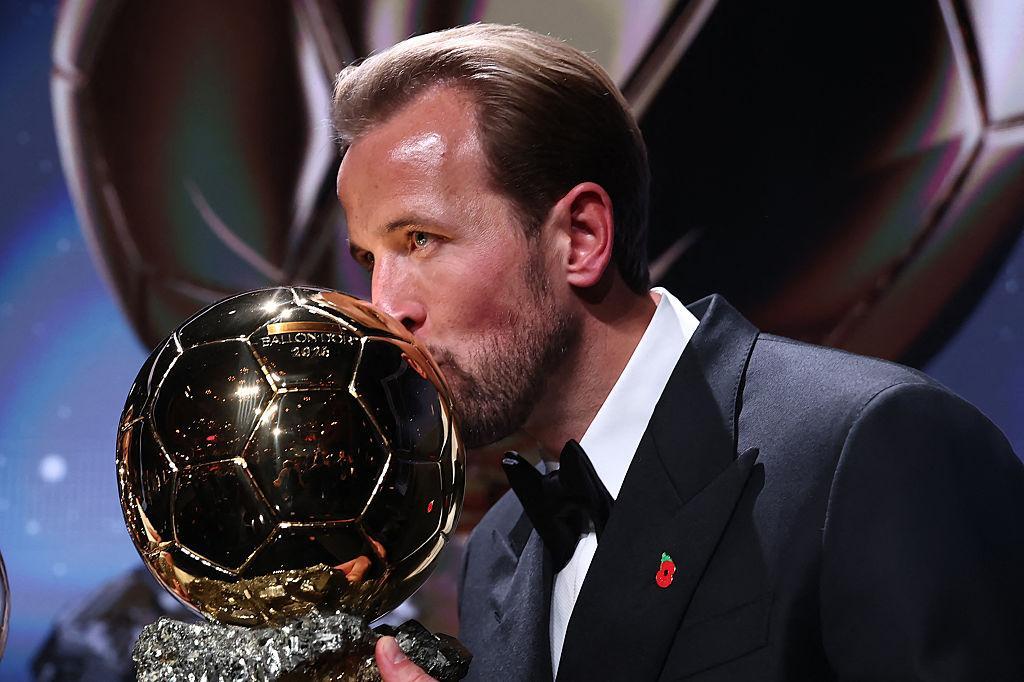
On Monday night in London, Kane became the fifth Englishman to win the award. When he spoke, it was not the goals he reached for. "My journey, it wasn't straightforward," he said. "I wasn't the kid who went straight to the top."
Which is the irony of the evening: the journey was the one thing the voters had not been asked to judge.
The Criteria
What the jury was asked to judge
In 2022, France Football rebuilt the Ballon d'Or. It became a season award rather than a calendar-year one, and the old criterion that let voters weigh a player's career as a whole was struck out. What remained, in order, was individual performance, then team performance and honors, then class and fair play. A hundred journalists, one from each of the top 100 nations in the FIFA ranking, were asked to judge the season from August 3, 2025 to July 19, 2026.
That matters for Kane more than for any recent winner. His is the most obviously narratable career in modern English football: the rejection, the loans, the late bloom, the years without a trophy, the move abroad. It is exactly the kind of story the old criteria might have rewarded in sympathy. The new ones are guidance, not a memory wipe; no rule can stop a voter knowing what came before. But on paper the career was not a criterion, and whatever he won on Monday, he had to win on what he did that season.
They were not difficult numbers to read. Seventy-three goals for club and country: 61 in 51 games for Bayern Munich and 12 for England, six of them at the World Cup, where England finished third, their best result since 1966. A third consecutive Bundesliga scoring title. Fourteen in the Champions League. A domestic treble of league, DFB-Pokal and Supercup, the cup won with a hat-trick in a 3-0 final against Stuttgart. Criterion one, individual performance, is listed first for a reason, and on criterion one nobody in Europe was close.
The Verdicts
The question kept changing
What makes the season remarkable is not only its size but who produced it. The verdicts on Kane changed as he did. First he did not look like a footballer. Then he did not look like a Premier League striker. Then he looked like one for a season, but perhaps only one. Eventually nobody questioned the goals. They questioned what he had won.

At eight he was too heavy for Arsenal. At 11 he was back at Tottenham only because he had impressed against them on a trial with Watford. In his late teens he was a loan player, and an unremarkable one, passed between Leyton Orient, Millwall, Norwich and Leicester; a Young Player of the Year award at Millwall was the one real hint, and a broken metatarsal at Norwich the low point. Tottenham had given him a European debut against Hearts in 2011. He won a penalty that night, took it himself, and watched the goalkeeper save it.
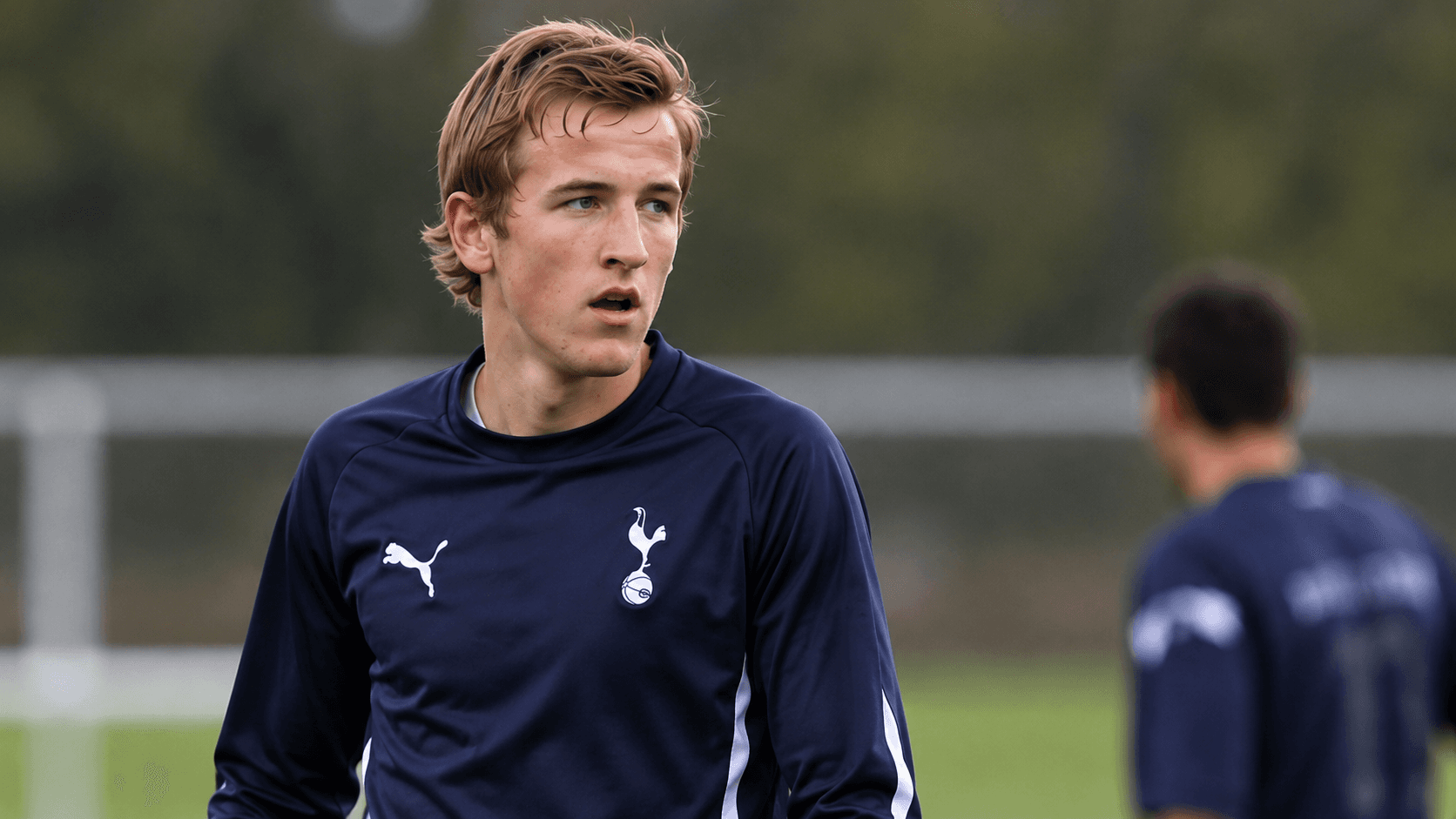
When Mauricio Pochettino finally built a team around him in 2014-15, he scored 31 goals in all competitions, 21 of them in the league, and was named the PFA Young Player of the Year. The doubt that followed was that he would turn out to be a one-season wonder; within a couple of years Tottenham's own supporters were singing the phrase back at the doubters, as a joke. He answered it with three Golden Boots, with 39 Premier League goals in the calendar year 2017, beating Alan Shearer's record, and with a 2020-21 season in which he led the league in both goals and assists. By the time he left, he had passed Jimmy Greaves as Tottenham's record scorer, with 280 goals for the club, and his 213 in the Premier League stood second only to Shearer's.
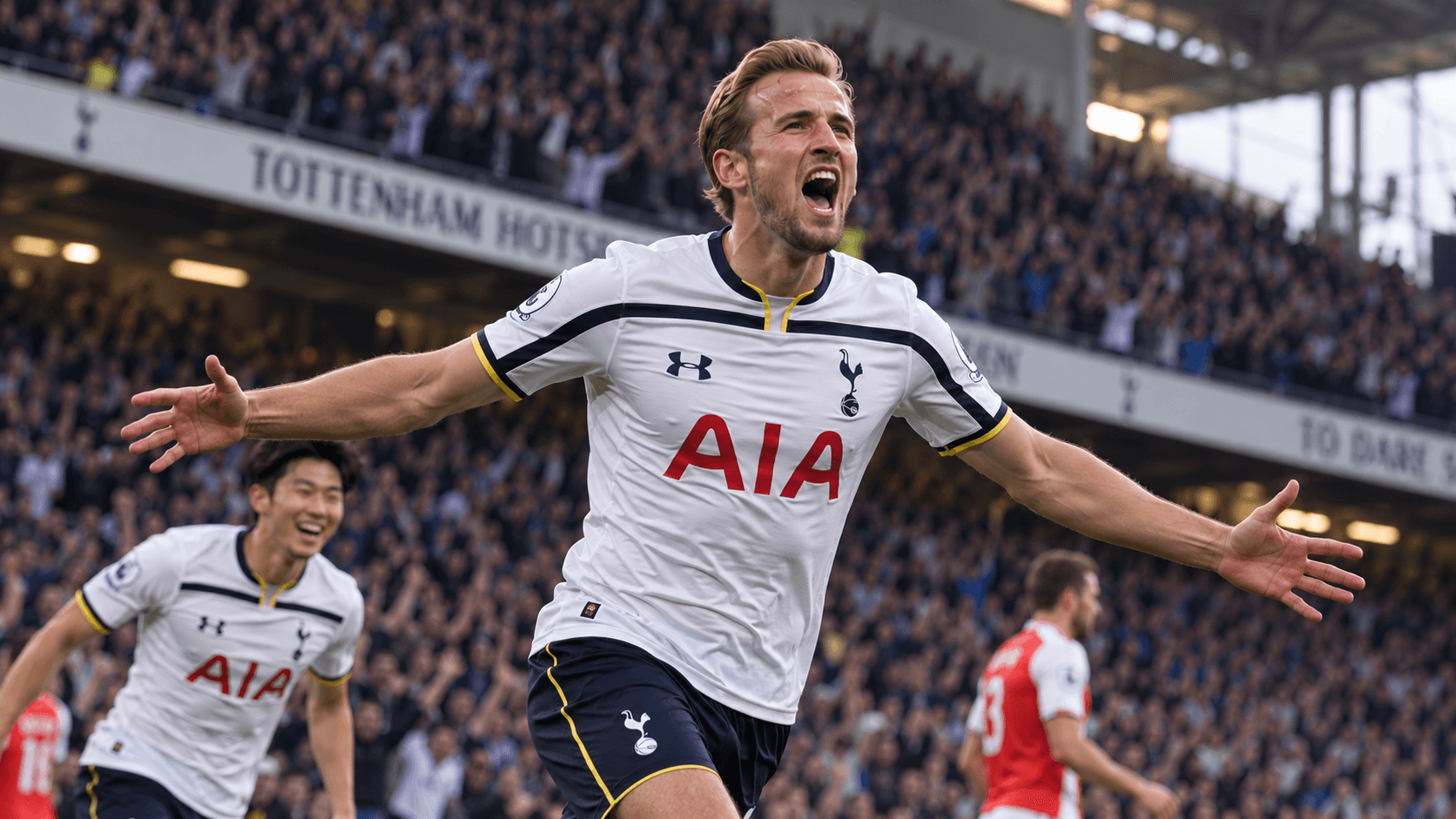
England told the same story at the same pace. He scored 80 seconds into his debut, against Lithuania in 2015, and won the Golden Boot at the 2018 World Cup. In Naples in March 2023 he passed Wayne Rooney as England's record scorer, and he did it from the penalty spot, three months after missing the penalty against France that ended England's World Cup in Qatar. Football has had a curious habit of giving him the same moment twice. This month, against Czechia at Wembley, he equaled Peter Shilton's record of 125 England caps and scored twice in the process, taking him to 91 international goals.
The Shelf
What the numbers could not buy
And through all of it, nothing to hold. A League Cup final lost in 2015. A Champions League final lost in 2019. European Championship finals lost in 2021 and 2024. Three Golden Boots, and none of the team trophies he had spent his career chasing. "There's no way Harry Kane could've won the Ballon d'Or if he was playing for Tottenham," Jamie Carragher said this week, and it is hard to argue with him.
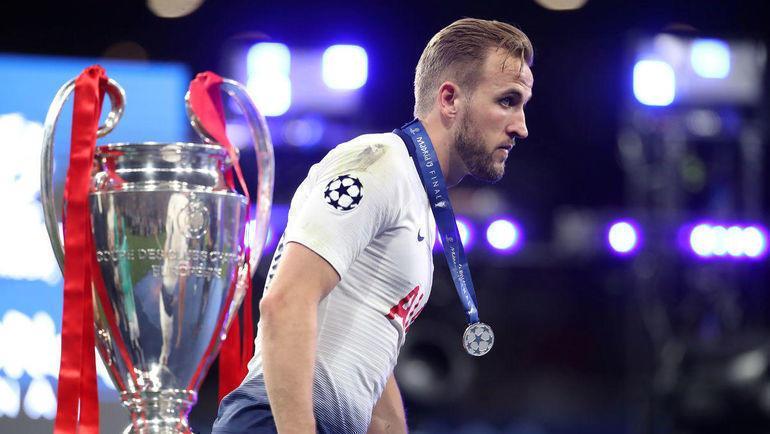
So in August 2023 he left, for around €100 million, a Bundesliga record. His first season in Munich brought 44 goals, the European Golden Shoe, and Bayer Leverkusen's first league title. The drought, it seemed, had come with him.
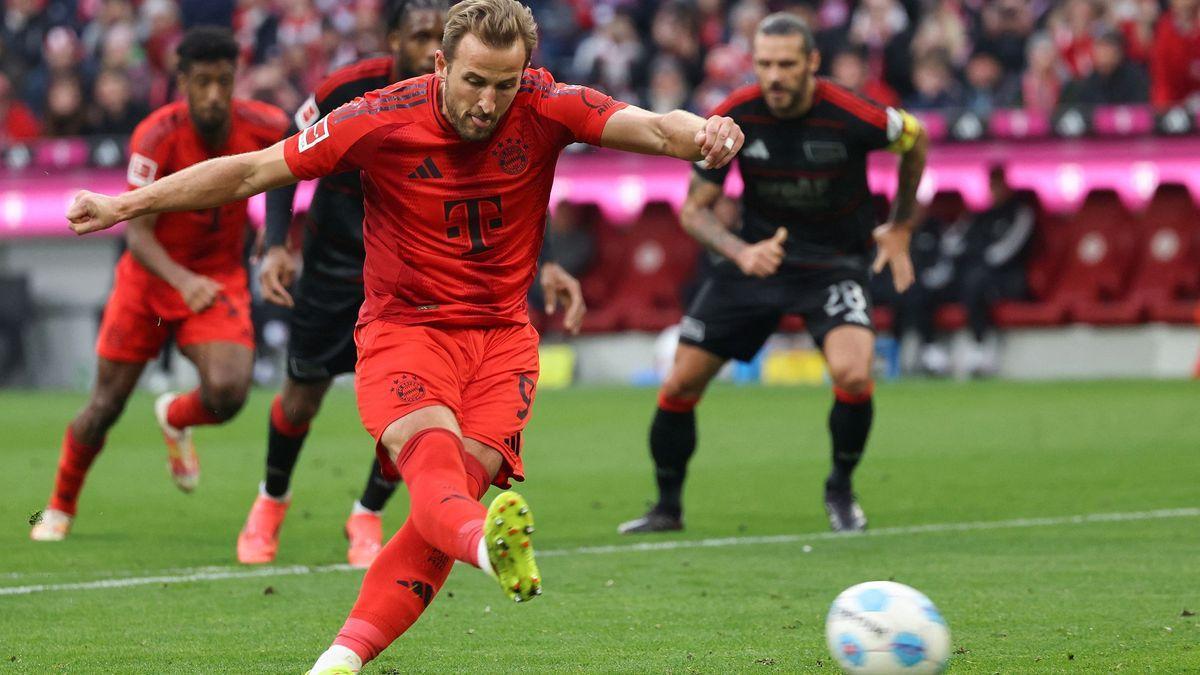
It broke in May 2025, with the Bundesliga, at 31. Then came the Supercup, and last season the league and the cup together. The goals did not slow down when the trophies arrived. They accelerated. He reached 100 Bundesliga goals in 98 appearances, 31 games fewer than the record Dieter Müller had held since the 1970s. Since arriving in Germany he has scored a league goal roughly every 78 minutes, and no player before him had finished as the Bundesliga's top scorer in each of his first three seasons.
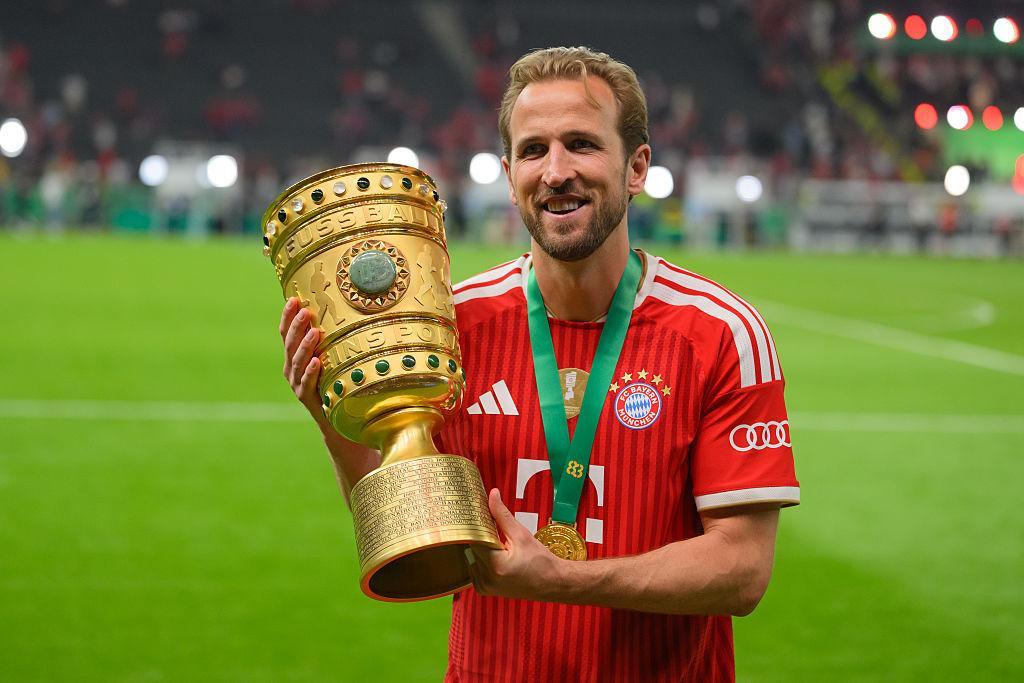
Strikers are not supposed to do this at 32. The curve is meant to bend the other way: shorter runs, smaller totals, a conversation that drifts toward legacy. Kane's most productive season came at 32; he turned 33 nine days after the World Cup final.
The Honest Version
Where we stood ten days ago
It is worth saying plainly that this was not the result GoalPost's Power Index called. Eight days before the ceremony, the Index put Lamine Yamal first and Kane second. We believed the World Cup, on top of Yamal's league season, gave him the stronger claim, and we argued that the path Kane needed, a winner in a World Cup year without the World Cup or the Champions League, existed but was narrow. It had been done once since 1998, by Messi in 2010. It has now been done twice.
The journalists disagreed, and not only about first place. They put Kane first, Mbappé second and Yamal third, which means they valued Mbappé's season, without a team trophy, above the World Cup winner's. That does not by itself make our merit order wrong; a vote is not a proof. But it tells us something about the electorate's collective judgment. Whatever individual voters had in mind, their final order placed Kane's output and Mbappé's individual season ahead of the case we made for Yamal.
What can be said without guessing at any voter's reasoning is that Kane's win is entirely defensible under the rules. Individual performance comes first, and nobody produced more of it in goals.
Not on the Ballot
What was officially left off
On Monday the ceremony came to London for the first time, staged there to mark 70 years since another Englishman, Stanley Matthews, won the very first Ballon d'Or.
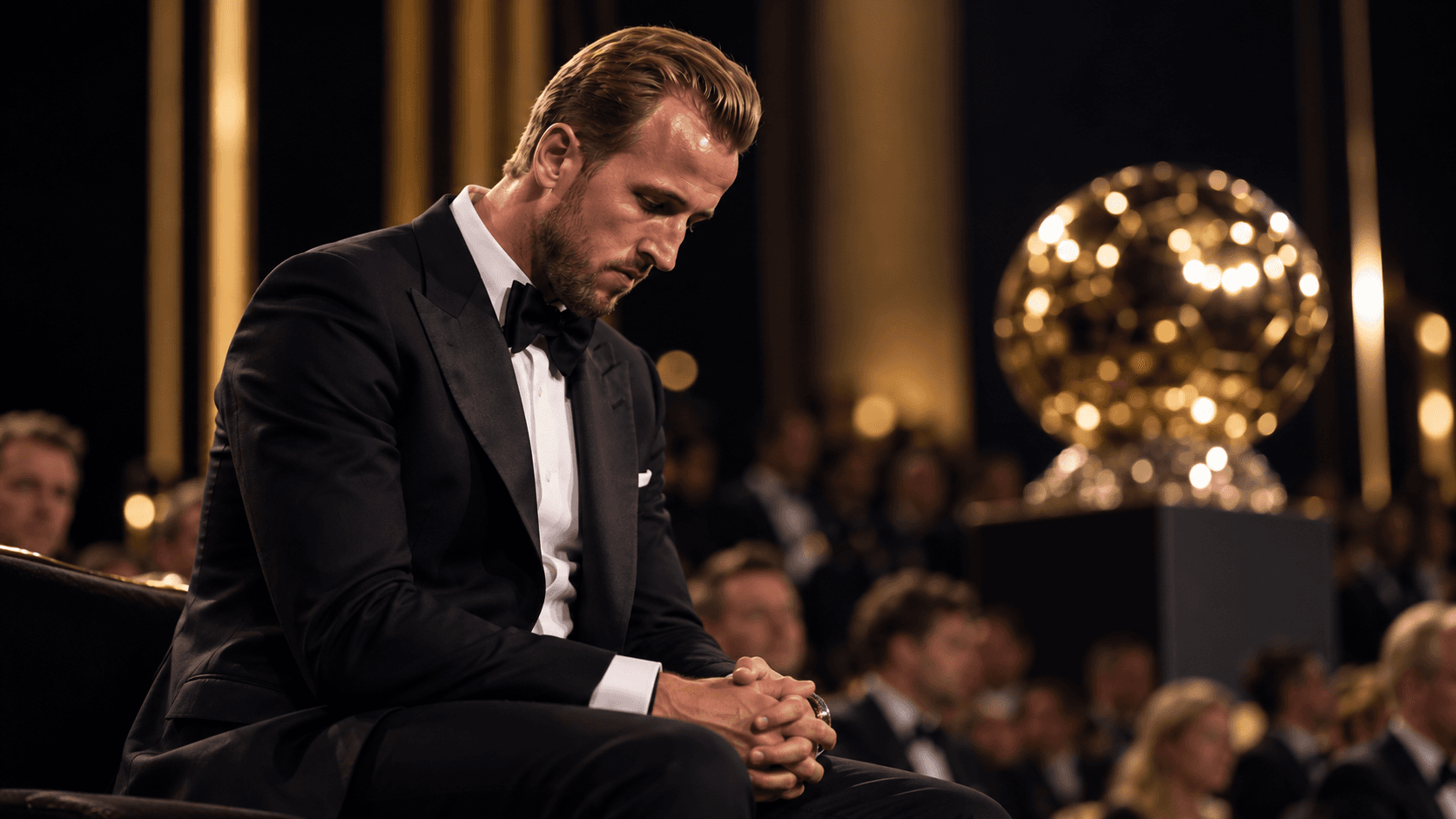
The voters had been instructed to judge one season. The goals were on the ballot, and so were the trophies. What was not a criterion was everything that had brought him there: the academy that let him go, the loans, the penalty saved on his debut, the doubters, the finals, the years with nothing to lift.
"It's just the journey," he said. And the journey, officially, was not on the ballot.
Listen: GoalPost Weekly, Episode 8 — The Boy Arsenal Let Go.